
Curriculum Overview
Our Curriculum
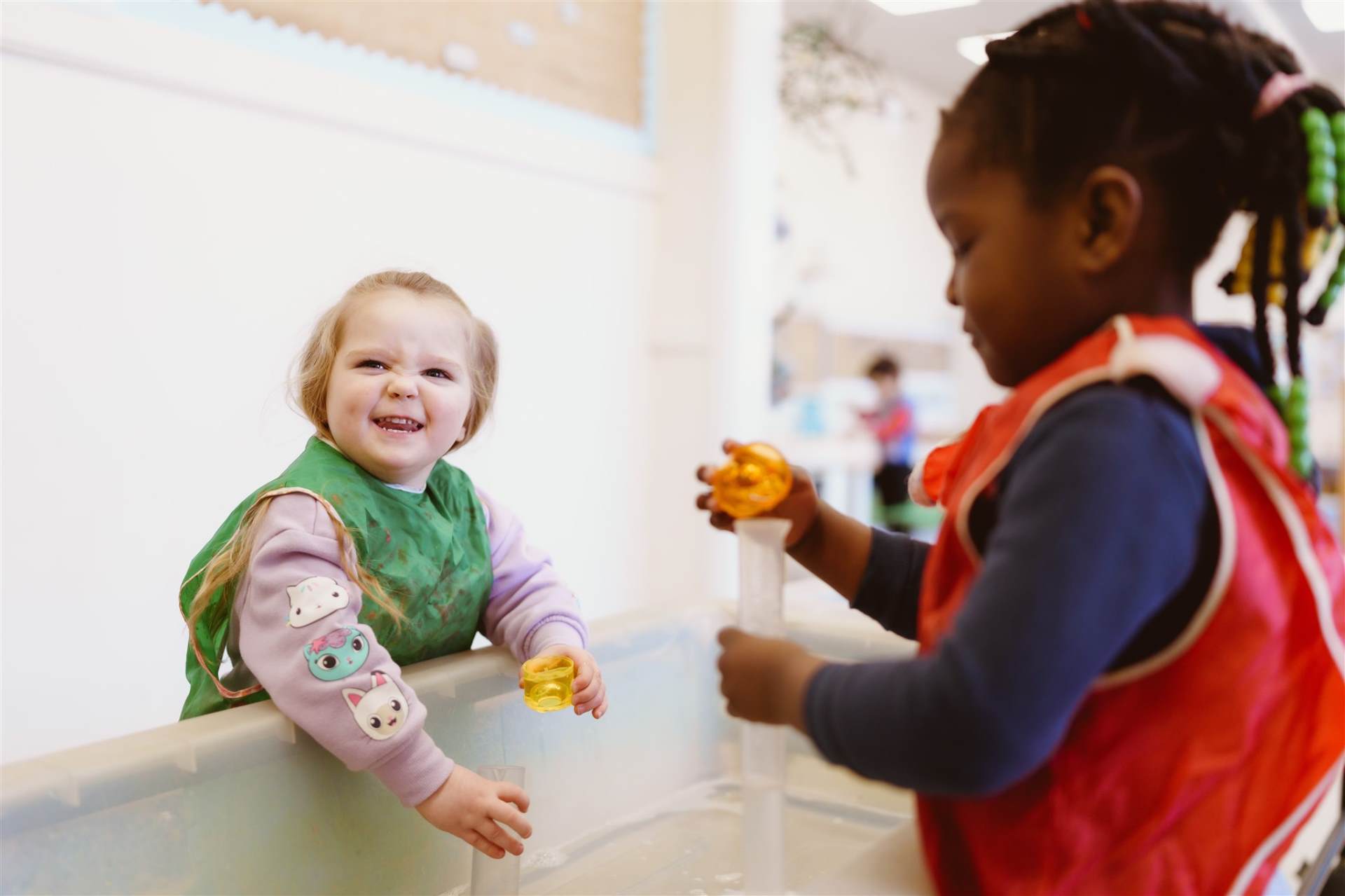
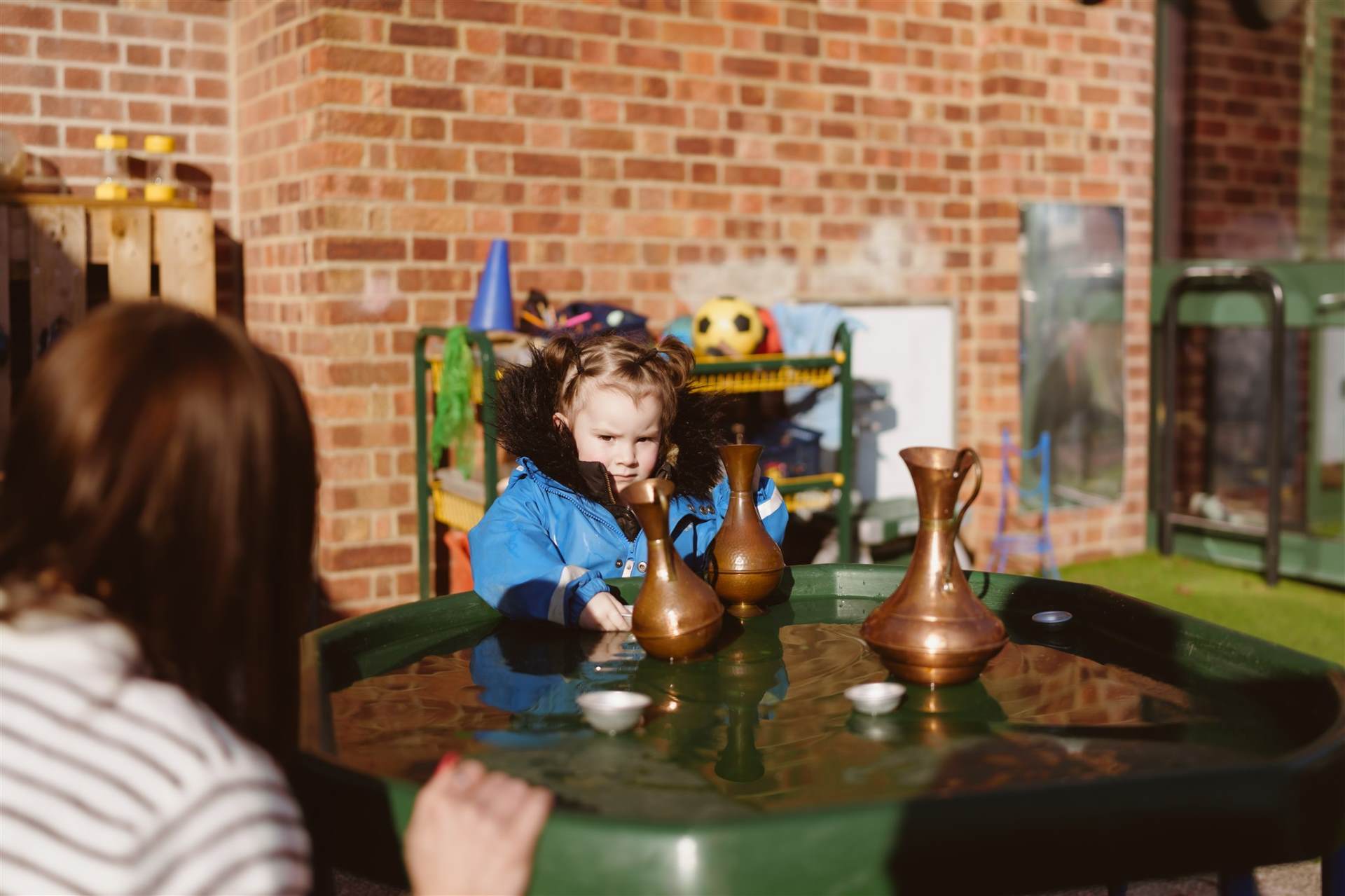
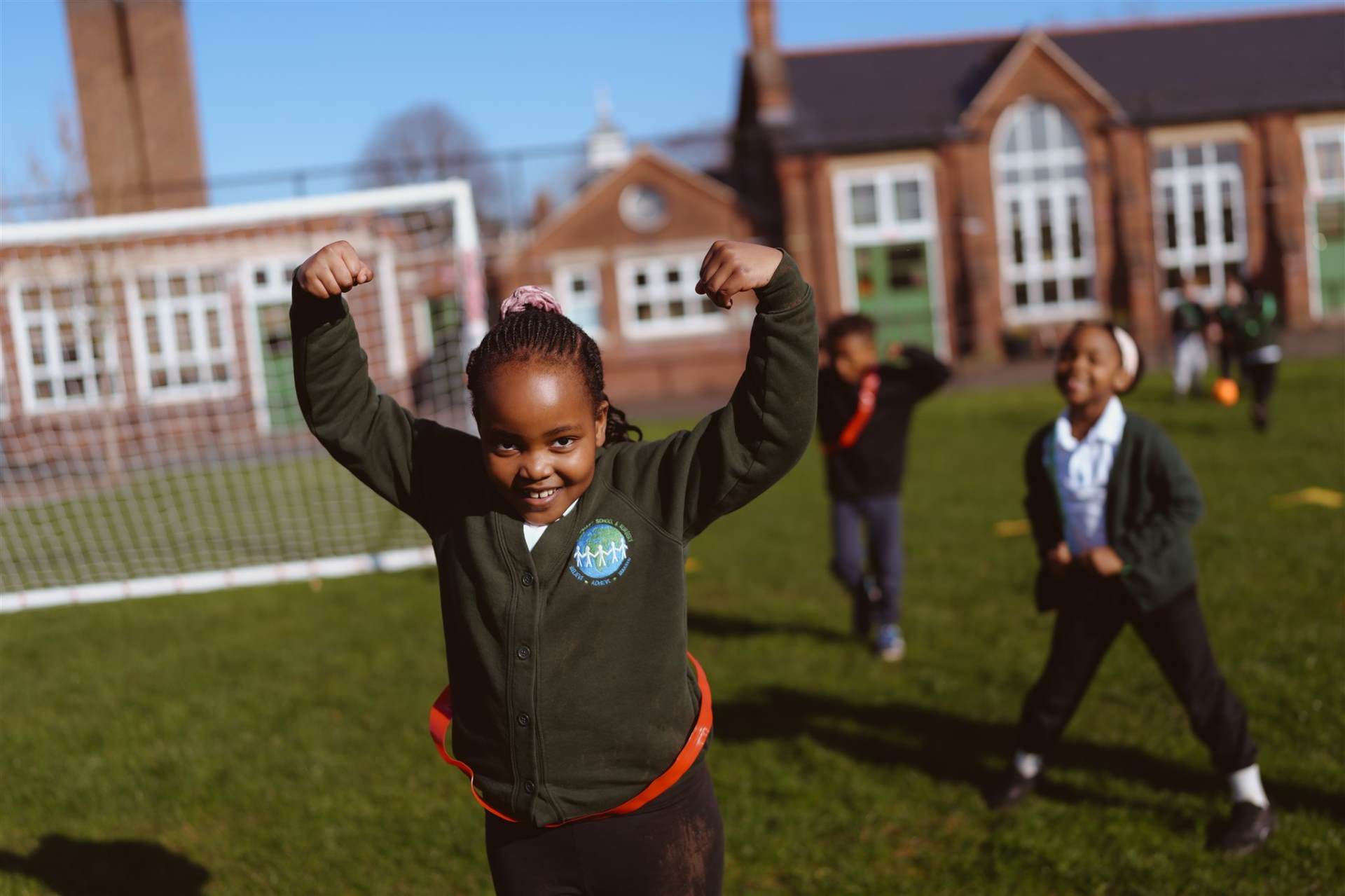
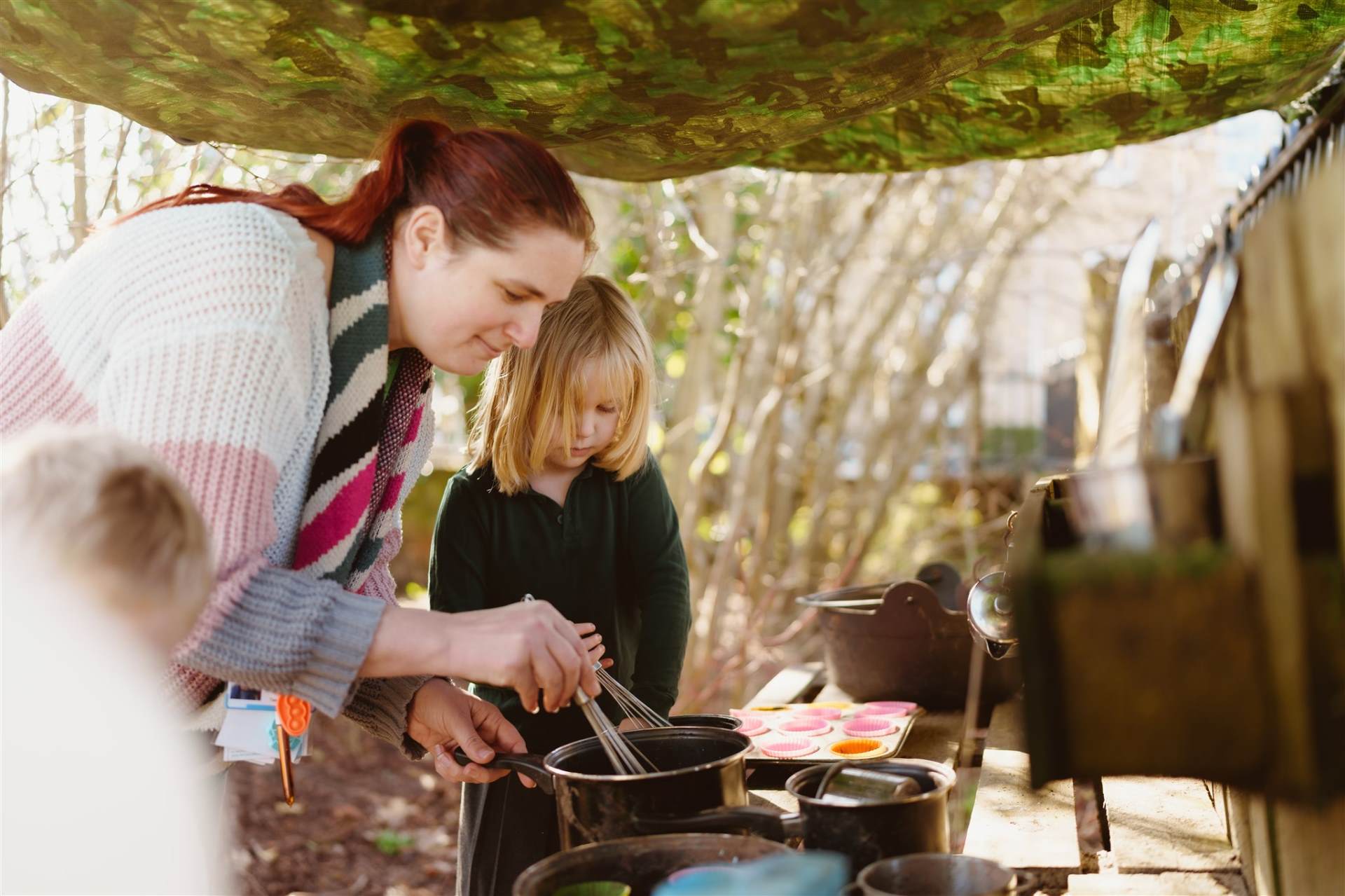
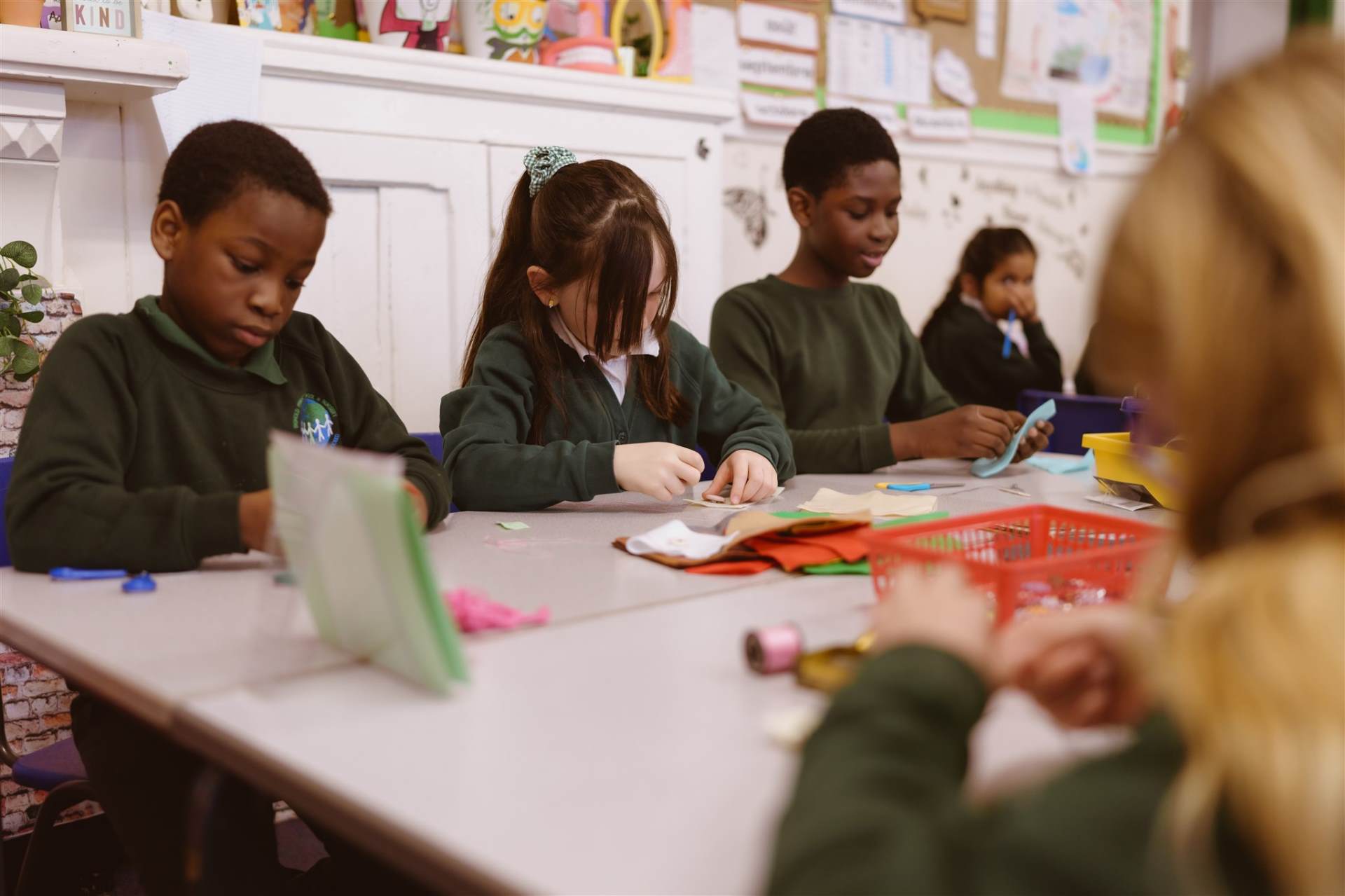
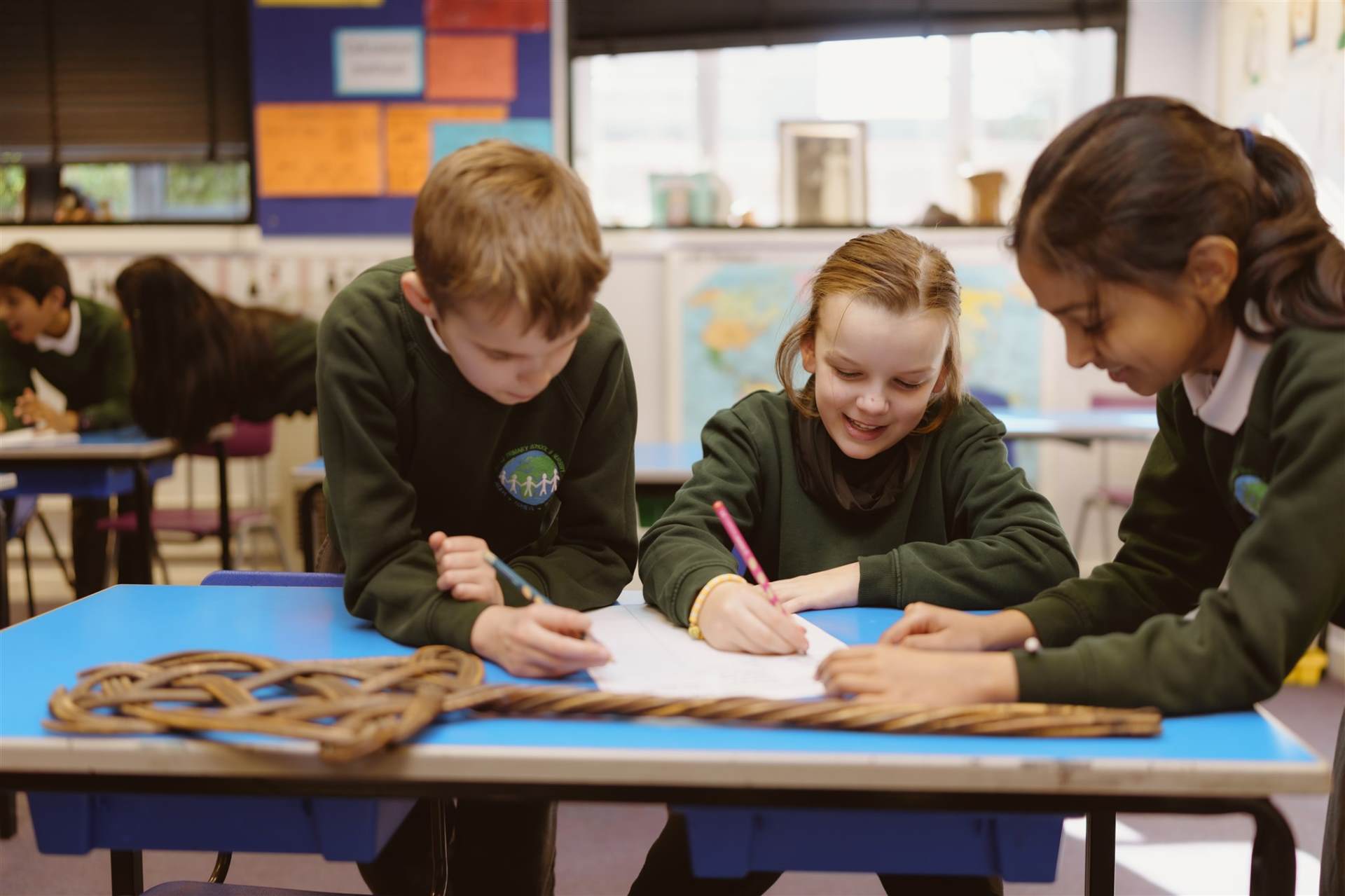
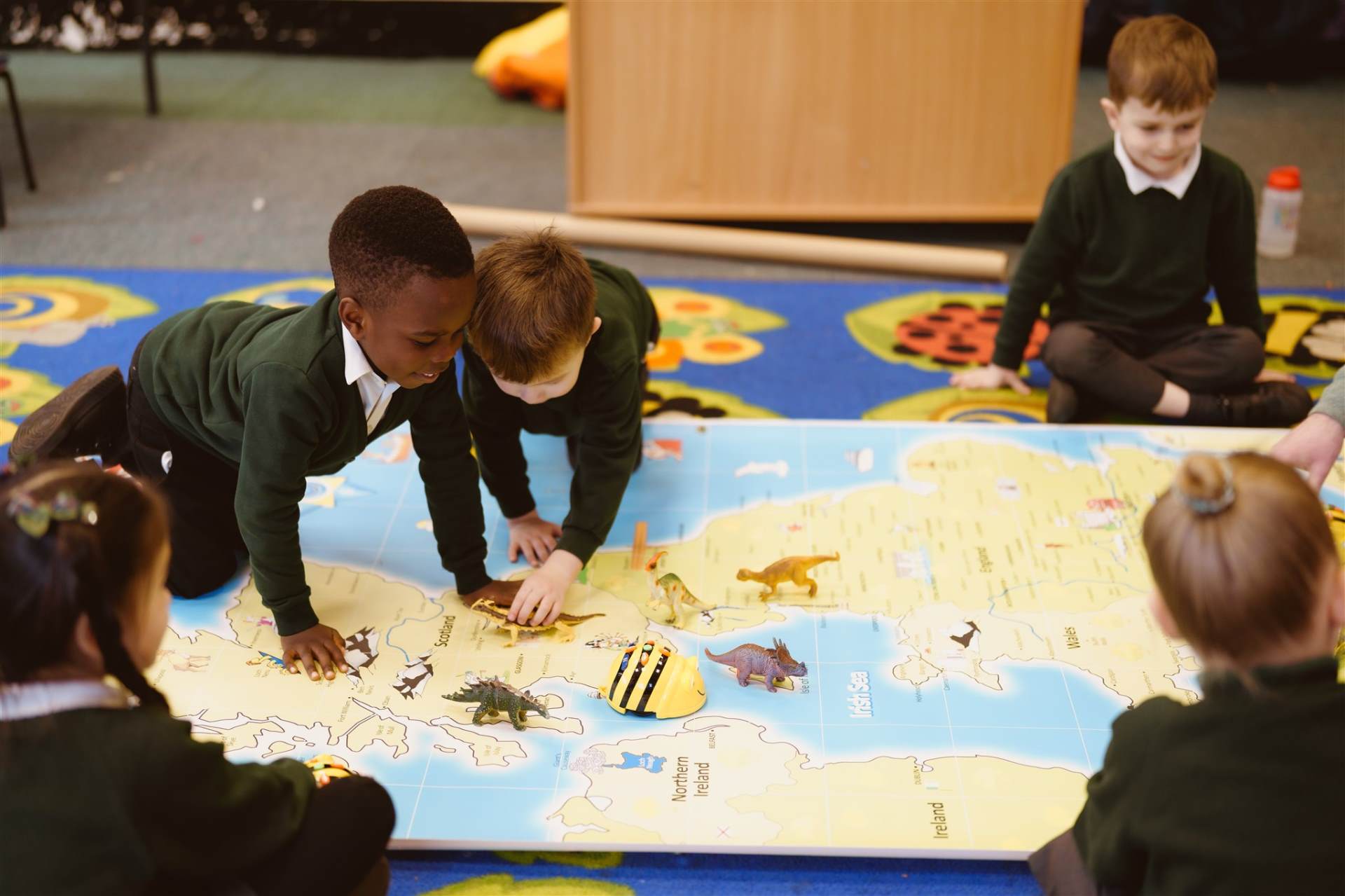
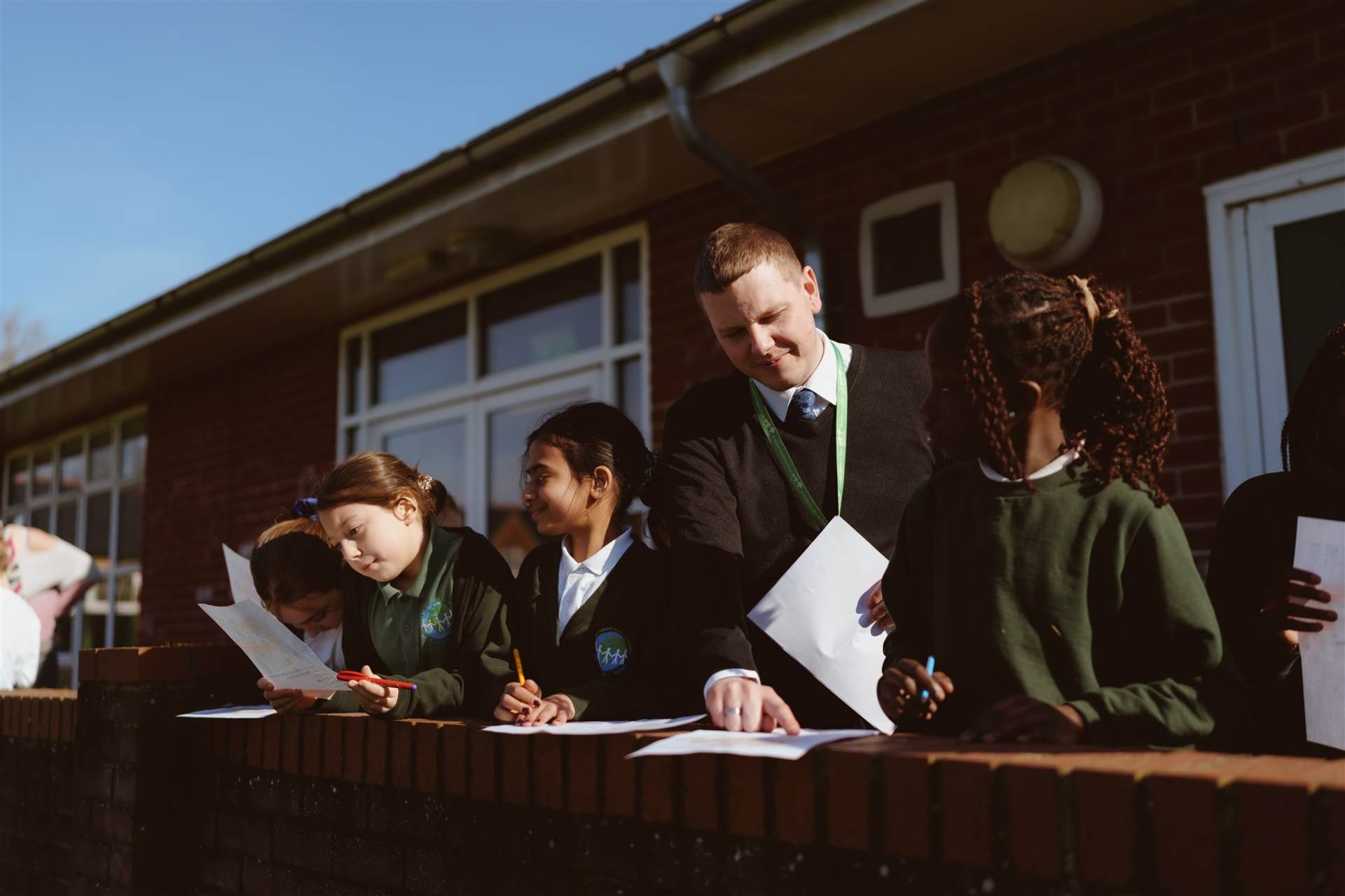
The Principles of our Curriculum:
Research-led: helping children to know more and remember more
Ambitious: every child achieving well
Inclusive: a focus on community and participation
At Bignold Primary School, our curriculum is research-led, ambitious and inclusive, ensuring that every child knows more, remembers more and achieves well. From Nursery to Year 6, we provide a broad, carefully sequenced and knowledge-rich curriculum that equips all pupils with the knowledge, skills and cultural capital they need to succeed in education and become active, informed citizens.
Our curriculum is grounded in evidence about how children learn best. Learning is deliberately sequenced so that knowledge, vocabulary and concepts are revisited and strengthened over time. We place great importance on securing strong foundations in the Early Years and Key Stage 1, ensuring that children develop the essential knowledge and skills needed for future success. For example, children learn correct pencil grip, number formation and early language skills in Nursery and Reception, which are systematically developed into fluent writing, mathematical reasoning and effective communication as they progress through the school.
Our curriculum is carefully sequenced so that children revisit and build upon key knowledge throughout their time at Bignold. For example, children begin by exploring their own community, families and local environment in Reception before developing map and fieldwork skills in Years 1 and 2, studying the geography of the United Kingdom and their local area in Years 3 and 4, and applying this understanding to global environments, biomes and settlement studies in Years 5 and 6. Similarly, scientific understanding develops progressively, with Reception children observing seasonal change and the natural world, before studying plants and animals in Key Stage 1, building towards more complex concepts such as habitats, forces, Earth and Space, and evolution in Key Stage 2.
Knowledge is also deepened across history. Children begin by learning about changes within living memory in Year 1 and significant people, places and events in Norwich in Year 2. They then study prehistoric Britain, the Romans, Anglo-Saxons and Vikings in Lower Key Stage 2 before exploring ancient civilisations such as the Maya and Ancient Greeks in Year 5 and examining World War II and the Windrush Generation in Year 6. This coherent progression helps pupils connect new learning to prior knowledge, enabling them to develop a richer understanding of chronology, society and how communities change over time.
Through effective modelling, retrieval practice, purposeful rehearsal and carefully designed assessment opportunities, we help children build secure understanding and retain learning for the long term. We teach knowledge to be remembered, enabling pupils to make meaningful connections across subjects and phases of learning. Reading provides a strong thread throughout the curriculum, beginning with Read Write Inc. phonics and progressing to high-quality texts that deepen children's knowledge of the topics they study and broaden their understanding of the world.
We are ambitious for every child. We believe that all pupils can achieve highly, regardless of their background, starting points or additional needs. Through a mastery approach, high expectations and expert teaching, we support and challenge pupils to build on prior knowledge, develop confidence and take risks in their learning. Our curriculum is designed to ensure that every child achieves well and is fully prepared for the next stage of their education and beyond.
We are a highly inclusive school, placing community, participation and belonging at the heart of our curriculum. We ensure that all children, including those with SEND and those from disadvantaged backgrounds, can access and succeed in learning. Through our curriculum, pupils develop an understanding of diversity, respect and responsibility, enabling them to contribute positively to school life and the wider community.
Our curriculum is rooted in the rich history, geography and diversity of Norwich and Norfolk, helping children develop a strong sense of place and belonging within their local community. For example, Reception children explore their local environment through maps and journeys, Year 2 study significant people, places and events in Norwich, Year 4 investigate Norwich's industrial heritage through the Bridewell Museum and the Norfolk Broads, and Year 6 examine how World War II changed the local area.
These local connections are woven across subjects, enabling pupils to make meaningful links between their learning and the world around them. Through visits to places such as Norwich Cathedral, local mosques, Wells-next-the-Sea and Gressenhall, pupils develop cultural capital, deepen their understanding of their community and build the knowledge needed to become active and informed citizens.
To support excellence in curriculum design and delivery, we draw upon high-quality, research-informed programmes including CUSP, Read Write Inc. and White Rose Maths. These enable teachers to focus on how best to teach, ensuring that learning is coherent, engaging and responsive to the needs of our school community.
At the heart of our curriculum is a commitment to developing confident, fluent readers. We believe that reading is the foundation of learning and the key to future opportunity. Through evidence-informed teaching and rich exposure to language, vocabulary and literature, we equip pupils with the knowledge and understanding they need to access the full curriculum and flourish as lifelong learners.
Curriculum Mapping
You can find our curriculum overview for 2026 - 27 here:
Bignold Whole School Curriculum Map 2026 - 27You can find more information about specific subjects using the links at the side of this page.
If you would like to find out more about our curriculum or any individual subject, please contact us via the school office.