
Safeguarding
At Bignold Primary School and Nursery, we have a statutory duty to safeguard and promote the welfare of children, and at our school we take this responsibility seriously.
Our commitment is to the safeguarding of all the children in the school. If we feel that there is a risk to the safeguarding of any child we will consult with Norfolk Children’s Services. We will usually share our concerns with parents and carers. However, we have an obligation to act in the interests of the children and will pass on any concerns that we feel necessary.
Staff receive regular training about safeguarding and we work closely with Evolution Academy Trust to ensure our safeguarding culture is strong. You can find more information about how we keep children safe online here.
If you have any concerns about a child or young person in our school, you must share this information immediately with one of our Designated Safeguarding Leads.
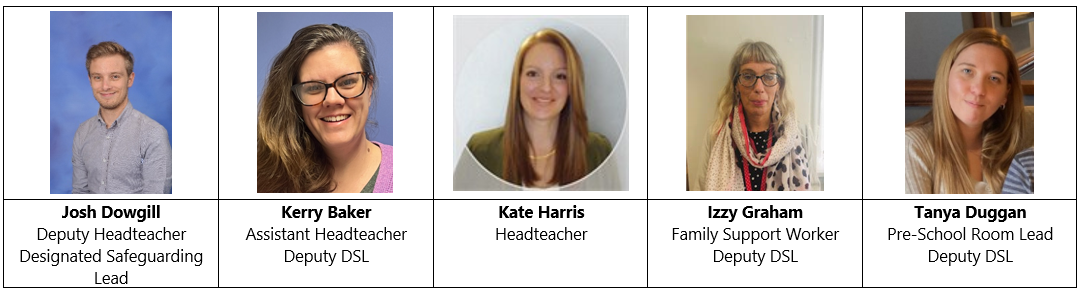
You can find more information about our safeguarding policy and procedures here.
You can find lots of helpful information to support your child at home using Just One Norfolk or our Family Support Contacts document:
Prevent
We are committed to safeguarding our pupils from all forms of harm, including radicalisation and extremism, in line with the Prevent Duty. Prevent is about ensuring children are protected from being drawn into extremist views or behaviours, both online and in the community. We promote this through a broad and balanced curriculum, including PSHE, online safety education, and open discussions that encourage critical thinking, respect, and tolerance. Staff receive regular safeguarding training to recognise early signs of concern, and we work closely with external agencies where needed.
For parents and carers, we recommend visiting Educate Against Hate and NSPCC for advice on keeping children safe from radicalisation, including guidance on online safety, having conversations at home, and recognising potential risks.